With the right support, dreams take shape: Children in residential care confidently move toward a safe transition and a future of their choosing
28/07/2025
Mihai dreams of becoming a chef. Veronica, like him, wants to create recipes that bring joy. Andrei wants to become an electrician to install solar panels. Other children imagine themselves on a football field or pursuing technical trades, such as locksmithing.
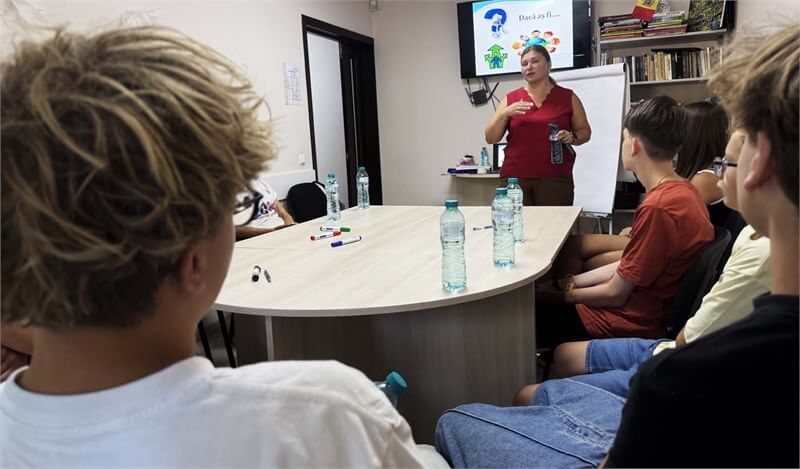
All of them are beneficiaries of temporary residential care centers in Chisinau, and now they have the opportunity to turn their dreams into concrete plans through personal development and career guidance sessions organized under the UNICEF project “Better Care for Children,” implemented by Partnerships for Every Child (P4EC), with financial support from the Government of Sweden and in close collaboration with the Ministry of Labor and Social Protection of the Republic of Moldova.
Through these sessions, children are guided to discover their interests and abilities, express their emotions in a healthy way, understand what well-being means, and learn how to seek help. They are also encouraged to explore educational and career options and to develop a personal plan for the future. The activities help children build a clear self-image, understand their personal values, recognize the importance of healthy relationships, and evaluate age-specific opportunities and risks. Participants learn to handle major changes with greater confidence and balance. The sessions include practical exercises, such as a “Skills Test” and the “Career Sculpture” activity. Each activity lasts about two hours and is facilitated by psychologists who work with children in small groups, using interactive methods suited to their age and level of development.
The career guidance module is part of a broader program that supports children’s safe transition from institutions to permanent family care or independent living. Every transition is planned carefully, with participation from the child, and focused on their needs. The program also offers children training on their rights, counseling, and autonomy development, while families receive support through preparation, planning, and monitoring sessions to prevent re-institutionalization and ensure their well-being.